
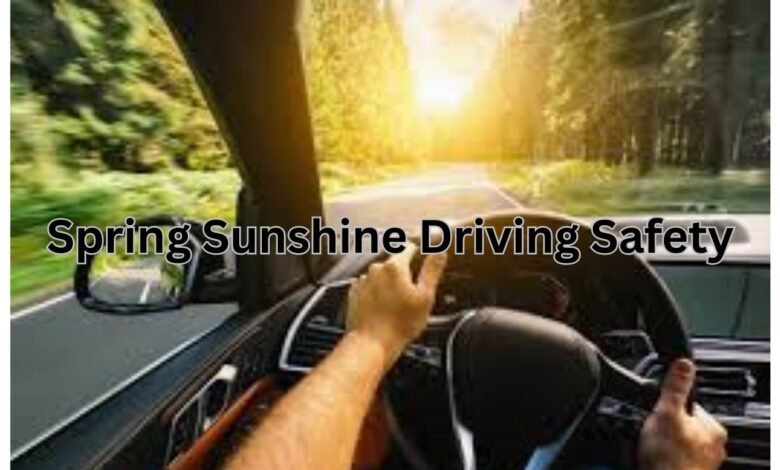
As winter fades and the days grow longer, drivers welcome the warmth and brightness of spring. The skies clear, flowers bloom, and the roads appear safer than they did during icy winter mornings. But here’s the truth many motorists overlook: spring sunshine can introduce unique driving hazards that are just as dangerous as snow or fog.
Spring Sunshine Driving Safety isn’t just about enjoying the weather — it’s about understanding how glare, changing road conditions, increased traffic, and unpredictable weather shifts can impact your driving performance.
In this guide, we’ll explore why spring sunshine can be deceptive, what risks to watch for, and how to protect yourself and others on the road.
Why Spring Sunshine Can Be Dangerous for Drivers
It may sound ironic, but bright sunshine can be one of the most challenging weather conditions for motorists.
1. Sun Glare and Reduced Visibility
One of the biggest risks associated with Spring Sunshine Driving Safety is glare. When the sun sits low in the sky — particularly during early mornings and late afternoons — it can shine directly into your line of sight.
Glare can:
- Temporarily blind drivers
- Hide pedestrians or cyclists
- Make traffic signals difficult to see
- Reduce depth perception
Unlike nighttime driving, many drivers underestimate how severely sunlight can impair visibility.
2. Sudden Weather Changes
Spring weather is unpredictable. One minute it’s bright sunshine, and the next there’s a rain shower. When rain hits dry roads, oil and dust rise to the surface, creating slippery conditions.
This transition period is particularly dangerous because drivers often:
- Continue driving at higher speeds
- Fail to adjust braking distance
- Assume roads are safe due to sunshine minutes earlier
3. Increased Road Activity
Spring brings more people outdoors:
- Cyclists return
- Motorcyclists resume riding
- Pedestrians walk more frequently
- Children play outside
With improved weather comes increased road interaction, making Spring Sunshine Driving Safety awareness even more important.
The Science Behind Sun Glare and Driver Reaction Time
Bright sunlight affects the human eye in powerful ways. When exposed to intense light, pupils contract and adjust, but that adaptation takes time. During this adjustment period:
- Reaction times slow down
- Peripheral vision decreases
- Contrast sensitivity drops
Even a delay of one second in reaction time at 40 mph can significantly increase stopping distance.
This is why professional driving safety experts emphasize that sunshine is not automatically safer than cloudy conditions — it simply presents different risks.
Practical Tips for Spring Sunshine Driving Safety
Let’s talk real solutions. Here’s how you can drive smarter during sunny spring days.
1. Wear Polarized Sunglasses
Polarized sunglasses reduce glare dramatically. They help:
- Improve clarity
- Reduce eye strain
- Enhance color contrast
- Minimize reflection from wet roads
Avoid overly dark lenses that reduce overall visibility.
2. Keep Your Windshield Clean
Dust, pollen, and streaks make glare worse. Spring pollen buildup can create a hazy layer on your windshield.
Clean:
- Inside and outside glass
- Mirrors
- Headlights
Even small smudges amplify sunlight and reduce visibility.
3. Use Your Sun Visor Strategically
Many drivers forget to adjust their visor fully. Tilt it correctly and adjust your seat height if needed to block direct sunlight without blocking your view of the road.
4. Increase Following Distance
Bright conditions may encourage faster driving, but maintaining extra space between vehicles gives you more time to react if glare hides sudden stops ahead.
5. Slow Down During Sunrise and Sunset
These times are the most dangerous during spring. The sun sits at a low angle, directly aligned with traffic direction on many roads.
Planning your commute to avoid direct sun alignment, when possible, improves Spring Sunshine Driving Safety significantly.
Spring Road Hazards You Might Not Expect
Potholes and Road Damage
Winter leaves behind cracked asphalt and potholes. Bright sunshine can cast shadows that disguise the depth of these hazards.
Hitting a pothole at speed can:
- Damage suspension
- Burst tires
- Affect steering alignment
Agricultural Vehicles
In rural areas, spring marks the beginning of planting season. Expect:
- Slow-moving tractors
- Mud on roads
- Large farming equipment
Be patient and avoid risky overtaking maneuvers.
Wildlife Activity
Spring is mating and migration season for many animals. Deer, foxes, and other wildlife are more active.
Sunshine doesn’t reduce this risk — in fact, longer daylight hours increase animal movement.
Psychological Effects of Sunny Weather on Drivers
Here’s something interesting: sunshine impacts mood.
Studies suggest that sunny weather:
- Improves mood
- Reduces perceived risk
- Encourages faster driving
This “false sense of security” can reduce caution. Drivers may:
- Check mirrors less frequently
- Drive slightly above speed limits
- Become distracted by scenery
Spring Sunshine Driving Safety isn’t only about physical conditions — it’s about mental awareness too.
Vehicle Maintenance for Spring Driving
Spring is the perfect time for a quick vehicle checkup.
Check These Essentials:
- Tire pressure (temperature changes affect PSI)
- Brake performance
- Windshield wipers
- Fluid levels
- Air conditioning system
Proper vehicle maintenance supports safer driving during seasonal transitions.
Protecting Vulnerable Road Users
Spring sunshine encourages:
- Joggers
- School children walking home
- Cyclists commuting
- Motorcycle riders
Motorcycles are especially difficult to see in bright glare. Always double-check blind spots and intersections carefully.
Defensive Driving Strategies for Spring Sunshine
Here are proactive habits to practice:
- Scan intersections earlier
- Anticipate sudden stops
- Avoid distractions (phone use is even riskier in glare)
- Drive with headlights on during low sun angles
- Position your vehicle to avoid direct reflection when possible
Spring Sunshine Driving Safety is about anticipation — not reaction.
The Long-Term Benefits of Seasonal Driving Awareness
Developing seasonal awareness:
- Reduces accident risk
- Lowers insurance claims
- Improves overall driving confidence
- Enhances road courtesy
Drivers who adjust behavior seasonally tend to have better safety records.
Frequently Asked Questions (FAQs)
1. Why is sun glare more dangerous in spring than summer?
In spring, the sun sits at a lower angle during commuting hours, increasing direct glare. Drivers are also adjusting from darker winter conditions.
2. Are sunglasses enough for Spring Sunshine Driving Safety?
They help significantly, especially polarized lenses, but should be combined with clean windshields and defensive driving habits.
3. Is it safe to use headlights in bright sunshine?
Yes. Headlights improve visibility to other drivers, especially during low-angle sun conditions.
4. How can I reduce glare without sunglasses?
Use your sun visor, adjust seat position, keep glass clean, and increase following distance.
5. Does sunny weather reduce accident rates?
Not necessarily. While severe weather accidents decrease, glare-related and distraction-related incidents can increase.