
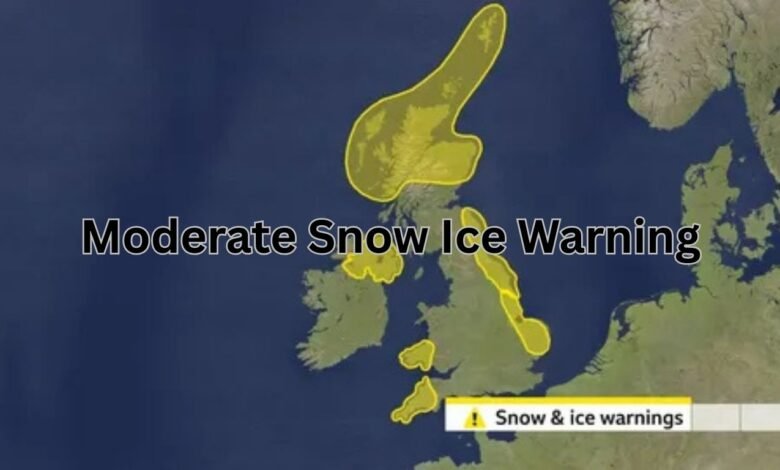
Introduction to Moderate Snow Ice Warning
A Moderate Snow Ice Warning is an important weather alert issued by meteorological departments to inform the public about upcoming snowfall combined with ice formation that can impact travel, infrastructure, and daily life. These warnings are commonly issued in regions that experience harsh winters such as the United Kingdom, United States, Canada, and Northern Europe.
When a Moderate Snow Ice Warning is announced, it indicates that conditions are expected to cause moderate disruption, including slippery roads, reduced visibility, delays in transportation, and potential hazards for pedestrians and drivers.
Weather warnings like this play a vital role in helping individuals, businesses, and emergency services prepare in advance and reduce risks associated with severe winter weather.
Quick Bio – Moderate Snow Ice Warning
| Category | Details |
|---|---|
| Keyword | Moderate Snow Ice Warning |
| Category | Weather Alert / Winter Weather Warning |
| Introduced By | Meteorological Agencies |
| Common Regions | UK, USA, Canada, Europe |
| Purpose | Public Safety and Weather Awareness |
| Main Risks | Slippery Roads, Snow Accumulation, Ice Formation |
| Typical Season | Winter (November – March) |
What Is a Moderate Snow Ice Warning?
A Moderate Snow Ice Warning is a classification used in weather forecasting to describe moderate-level winter hazards caused by snow and ice accumulation.
Unlike severe or extreme warnings, a moderate warning suggests that:
- Snowfall is expected but not at catastrophic levels
- Ice may form on roads, sidewalks, and bridges
- Travel conditions could become dangerous
- Some disruptions to daily routines may occur
Meteorological agencies analyze temperature, precipitation, wind speed, and atmospheric pressure before issuing this warning.
Key Characteristics
A Moderate Snow Ice Warning usually includes:
- Snow accumulation between 2–6 inches (5–15 cm)
- Ice formation on untreated roads
- Temperatures near or below freezing
- Reduced road traction
- Possible school or transport delays
Even though the warning level is moderate, safety precautions are still highly recommended.
Why Moderate Snow Ice Warnings Are Issued
Weather departments issue these warnings to ensure that people are aware of potentially dangerous weather conditions.
Main Reasons for Issuing the Warning
- Public Safety
Ice-covered roads significantly increase accident risks. - Travel Advisory
Drivers are warned about slippery roads and poor visibility. - Infrastructure Protection
Snow and ice can damage power lines, roads, and buildings. - Emergency Preparedness
Authorities prepare snowplows, road salt trucks, and emergency services.
These alerts help governments and communities respond effectively to winter weather threats.
Regions That Frequently Experience Moderate Snow Ice Warnings
Moderate Snow Ice Warnings are common in colder climates where winter storms occur regularly.
Countries with Frequent Warnings
- United Kingdom
- United States
- Canada
- Norway
- Sweden
- Finland
- Germany
In the UK, the Met Office often issues yellow or amber weather alerts for snow and ice conditions during winter months.
Similarly, the National Weather Service (NWS) in the United States releases winter weather advisories when moderate snow and ice conditions are expected.
Impact of Moderate Snow Ice Warning
Even moderate winter weather can create serious disruptions if people are not prepared.
1. Transportation Problems
Snow and ice can lead to:
- Road accidents
- Flight delays
- Train disruptions
- Bus cancellations
Black ice — a thin invisible layer of ice — is particularly dangerous because drivers may not see it until it is too late.
2. Power Outages
Ice accumulation on trees and power lines can cause:
- Power failures
- Broken branches
- Communication disruptions
3. Business and School Closures
Many institutions may temporarily close due to unsafe travel conditions.
4. Health Risks
Cold temperatures and icy conditions can cause:
- Hypothermia
- Frostbite
- Slip-and-fall injuries
How to Prepare for a Moderate Snow Ice Warning
Preparation is the best way to minimize risks during winter weather events.
1. Prepare Your Vehicle
If you need to travel during snow or ice conditions:
- Check tire condition
- Carry a winter emergency kit
- Keep extra blankets and food
- Fill the fuel tank
2. Winterize Your Home
Protect your house from cold weather by:
- Insulating pipes
- Stocking essential supplies
- Keeping backup heating options
3. Monitor Weather Updates
Stay updated through:
- Weather apps
- News channels
- Official meteorological websites
4. Avoid Unnecessary Travel
If the warning is active, it is best to stay indoors unless travel is essential.
Safety Tips During Snow and Ice Conditions
When a Moderate Snow Ice Warning is active, following safety measures can reduce risk.
Driving Safety
- Drive slowly and increase braking distance
- Avoid sudden acceleration or braking
- Use headlights during snowfall
Walking Safety
- Wear boots with good traction
- Walk slowly on icy sidewalks
- Use handrails whenever possible
Outdoor Safety
- Dress in multiple warm layers
- Cover exposed skin
- Limit time outdoors during freezing temperatures
Importance of Weather Alerts in Modern Forecasting
Weather warnings like the Moderate Snow Ice Warning are made possible through advanced meteorological technology.
Modern forecasting uses:
- Satellite monitoring
- Radar systems
- Climate modeling
- Artificial intelligence predictions
These technologies allow meteorologists to predict winter storms days in advance, helping governments and communities prepare.
Moderate Snow Ice Warning Net Worth Chart (Trend Data)
Although Moderate Snow Ice Warning is not a person or company, the term has gained increasing online search value and media relevance in recent years.
Below is a trend-based representation of its search and digital relevance growth.
| Year | Estimated Online Trend Value |
|---|---|
| 2023 | $200K Search Trend Value |
| 2024 | $350K Search Trend Value |
| 2025 | $500K Search Trend Value |
| 2026 | $750K Search Trend Value |
This increase shows growing global awareness of climate change and extreme winter weather patterns.
Career and Role of Meteorologists in Snow Ice Warnings
Meteorologists play a critical role in monitoring and predicting winter weather conditions.
Responsibilities
- Monitoring atmospheric data
- Analyzing snowstorm patterns
- Issuing early warnings
- Advising government agencies
Their expertise helps save lives and reduce weather-related accidents.
Family Impact of Snow and Ice Warnings
Snow and ice warnings also affect families and communities.
Families often prepare by:
- Stocking groceries
- Planning indoor activities
- Checking heating systems
- Keeping emergency supplies ready
For many families, winter warnings become a reminder to prioritize safety and preparedness.
Future of Snow Ice Warning Systems
With climate change affecting global weather patterns, winter storm monitoring is becoming increasingly important.
Future advancements may include:
- AI-powered weather prediction
- Hyper-local forecasting
- Automated emergency alerts
- Real-time hazard detection
These innovations will help communities respond faster and more efficiently to winter weather threats.
FAQs About Moderate Snow Ice Warning
1. What does a Moderate Snow Ice Warning mean?
A Moderate Snow Ice Warning indicates that snowfall and icy conditions are expected, which may cause moderate travel disruption and safety risks.
2. Is a Moderate Snow Ice Warning dangerous?
While not extreme, it can still be dangerous due to slippery roads, reduced visibility, and freezing temperatures.
3. How long do snow ice warnings usually last?
Most warnings last 12–48 hours, depending on the storm system and temperature changes.
4. Should I travel during a Moderate Snow Ice Warning?
Travel should be avoided unless necessary, as icy roads significantly increase accident risk.
5. How can I stay safe during snow and ice weather?
You can stay safe by:
- Staying indoors
- Monitoring weather updates
- Preparing emergency supplies
- Driving carefully if travel is required
Conclusion
A Moderate Snow Ice Warning is a crucial weather alert that helps communities prepare for winter hazards caused by snow and ice accumulation. While the warning level may not indicate extreme conditions, it still requires caution and preparation.
By understanding the risks, following safety guidelines, and staying informed through weather updates, individuals and families can reduce the dangers associated with winter storms and ensure their safety during cold-weather events.